How We Unlearned the Internet

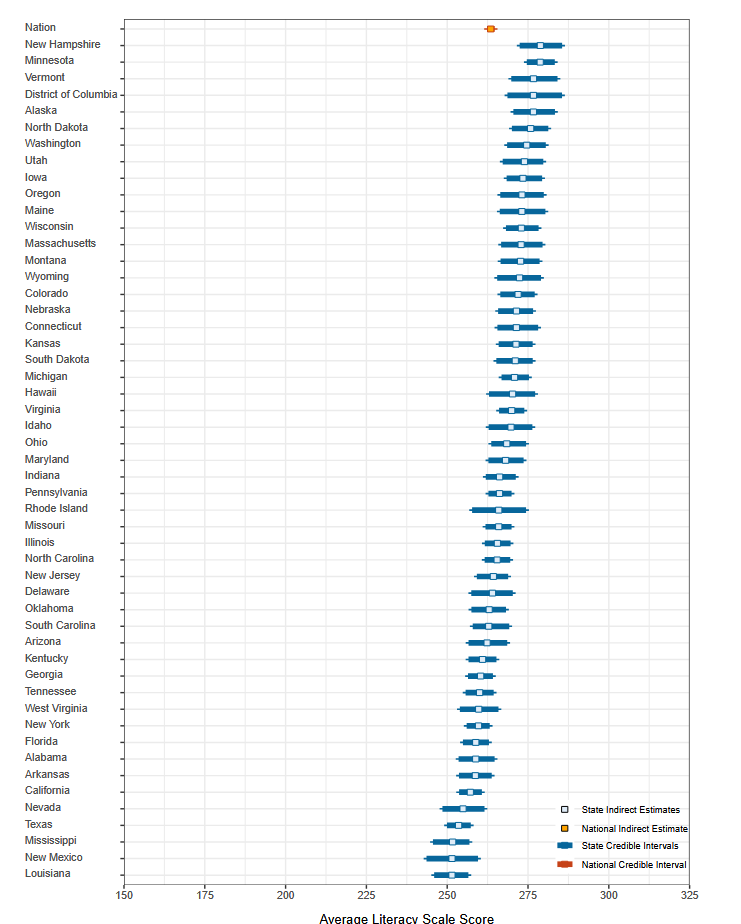
Does anyone remember going through school and noticing around the 7th grade that some of your peers would struggle massively as the teacher called them out to read aloud a passage from the current textbook? I’d assume if you’re reading this right now, it’s very likely that you’re above average reading level, especially considering the average reading level of the US is below the 8th grade. The most difficult thing about reading is that it requires maximum concentration, and one could argue it’s one of the few tasks that one can do which requires 100% effort. Now we live in a world of minimal effort, birthing the “tech illiterate” and how AI is only going to concretize low effort, because now the temptation is even greater to be spoon-fed information, in a world where knowledge is ubiquitous, which also means that it requires effort to access it properly.
The primary issue that we have with the internet is that because the library has too many books, we’ve now become reliant upon AI and crowd consciousness to solve the problem of overwhelming knowledge. Instead of relying upon trusted sources on the internet, or reliable ways to search, we’ve instead decided to coalesce it all together through crowd-sourcing and AI. We’re getting ahead of ourselves here, and should really take a step back in this story to pinpoint where this confusion started.

Around when the internet first started to get popular–back in the mid 90s when America Online (AOL) was blowing up and 56K dial-up was taking the US by storm (I know some of you are replaying that beep-boop static in your head right now)-- we had the first generation that would be the power users of the internet, but not all of them would become power users.

Unlike most, as a tech millennial, I had grown up entirely on the internet, playing Strongbad games and Miniclip, and as I began to get older, I noticed that my peers could barely use Google. Fast forward 20 years, and I still see this same problem with my millennial co-workers. Their lack of ability to use a search engine is evident. They don’t know how to type in the syntax of a search engine by cutting out filler words, irrelevant nouns and distilling the essence of their inquiry into keywords. If the dewey decimal system was the way older generation librarians helped guide readers through the labyrinths of a library, keywords are the way to filter through the internet. This still remains a massive problem among my generation, and obviously those before me, but what made this worse was the introduction of social media.
One cannot overstate the detriment that social media has had to society; we all know the perils of this technology, but there is a great price that we have paid that isn’t widely discussed, which is crowd-sourced knowledge. The benefactory subject of crowd-sourced knowledge is multitudinous, whether that be opinion, political insight, scientific information, or something as simple as car mechanic advice, but one of the main selling points of social media is that you could ask a question and get an answer and by popular vote, you could arrive at the source of truth; that turned out to be a lie.
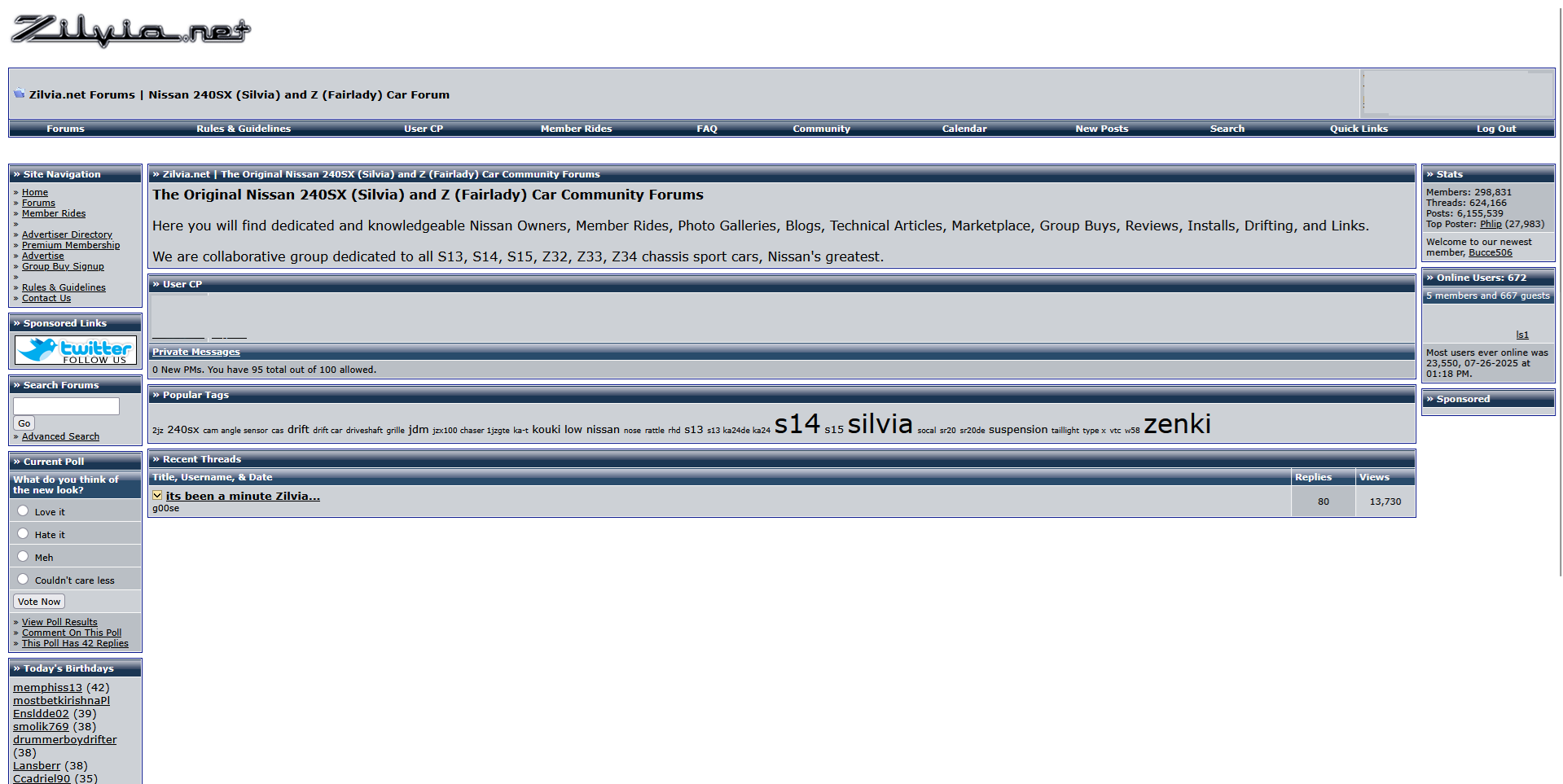
Back in the late 2000s car mechanic forums were all the rage (at least in my neck of the internet). If you had a cool sports car, you could find almost anything about how to repair, reconstruct, or modify your vehicle through these forums. These were message boards with strict sign-up rules, where you would create a username and email, and because many of them were so specific to car make/models, almost everyone would recognize your name if you posted somewhat frequently. This allowed people to gain recognition (for good or ill), and most importantly, each user comment wasn’t ranked, it was always in chronological order (no upvotes, downvotes, or likes). This allowed the “merit” of the individual to speak for themselves without the involvement of democratic vote (although it should be noted that forums had their own issues, mostly to do with gatekeeping). These users were anonymous and there was little to gain from helping or harming someone.
We move forward to today’s age of online discourse, and it is very much about likes, retweets, and upvotes. The source of truth no longer becomes who has the most cogent argument, but who gets the most likes. This also creates a world where since everything is strictly driven by algorithms instead of chronological order, many threads get lost by time, and the same questions keep resurfacing. “How do I change the brake caliper on a 1990 Nissan S13”? “What’s the bolt pattern on my car”? The model of social media has allowed for questions to be regurgitated because we live in a moment of “now”, rather than a willingness to look upon the vast library of Alexandria that we’ve created.
AI is here to solve the problem that the current world cannot operate the internet properly. They have abandoned the tools that were given to them–deemed too difficult to create a cohesive narrative of data–and now are a replacement for simple brain power.
We have a tech illiterate class, which has even fully grown up on the internet, and also those that didn’t, asking AI questions which are easily searchable through conventional means. This of course consumes more energy and we are still at the mercy of social media reinforcing the several repeated “what” and “why” questions of the internet that could easily be investigated by a simple search function.
Not only did we not solve the ignorance of those that couldn’t operate a simple search engine, but it has snowballed into those that did have some skills to navigate the internet, and would now rather ask an AI to scour unreliable sources (Reddit, Twitter, etc.) that it then regurgitates as a legitimate answer to inquiries because the users of AI don’t know how to guide it properly. We’ve entered the age of those that have the greatest pool of knowledge at their fingertips yet refuse to put any effort into properly accessing it.
Notes about the author: Traditionally an esports writer, having written over 100 articles, produced over 300 YouTube videos, multiple documentaries and several investigative pieces.
** AI Generated thumbnail, but not AI generated written words; we’re too proud for that.